
 Log in
 Español
 English
 Deutsch
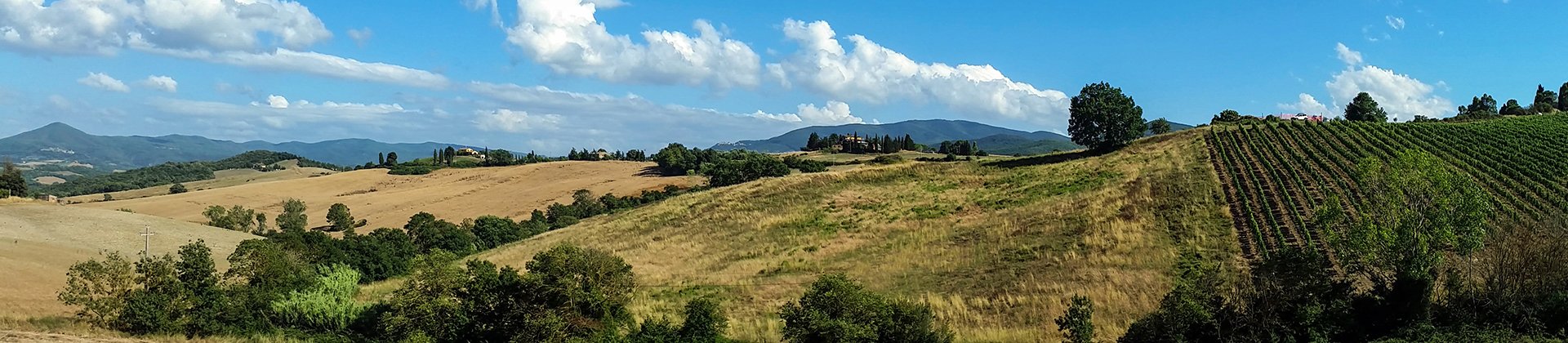
Región del Sur
-
 Chile
Chile
See detail of Región del Sur
DESCRIPTION
These newer zones are named after their rivers and are included in the qualification of southern regions with a more temperate climate due to their latitude. The southern zone of Chile includes the regions: Araucania, Los Rios and Los Lagos. This area is one of the most heterogeneous in terms of landscapes.
NUMBER OF HECTARES: 3,421
ALTITUDE RANGE: To the south, the Patagonian Andes lose relative altitude, oscillating around 1,500 meters on the northern coast.
PREDOMINANT VARIETIES: The local varieties País and Moscatel de Alejandría continue to be produced in the flatter and warmer areas, but there is a visionary effort by the wineries (Viña Gracia, Viña Porta and Concha y Toro) to produce wines with grapes such as Riesling, Gewürztraminer and Pinot Noir, although Cabernet and Chardonnay are the ones that enjoy the greatest presence.
CLIMATE AND SOILS
This sector is characterized by high rainfall and low temperatures in the winter. The further south one moves, the rainier and colder the climate becomes. In summer, the south tends to be hot but with rainfall all year round.
PRODUCING AREAS
1.- Itata Valley (2,554 ha) shares climatology with Bío Bío and Malleco (cold winters, warm days and cool nights) which gives good expectations for reds. Muscat of Alexandria is the preferred grape followed by Cabernet Sauvignon.
2.- Bío Bío Valley. (850 ha.) The name is an onomatopoeia of a local bird or a way of defining the "big river" Bío Bío, the second largest in Chile. The plantations are dominated by country and Muscat of Alexandria grapes. The climate combines medi- terranean and cooler southern conditions. There is no coastal influence in this central depression. Its soils are alluvial and sandy soils formed by the rivers. The most successful trials have been with aromatic whites that bring a hint of mineral, although Merlot has shown potential with a fruitier and fresher nose.
3.- Malleco Valley (17 ha.) Chile's southernmost vineyard has to contend with 1,000 liters/m2 of annual rainfall and fertile soils, so production increases rapidly, but summers are moderate to give rise to a unique continental-style microclimate. Chardonnay occupies almost all of the plantations along with pinot noir.
Latest tastings in the area

Register for free and access our content
- Discover for free over 12,000 wines reviewed every year
- Find the best bars and restaurants where wine is pampered.
- Receive every week our newsletter with our wine of the week, the trendiest bar and everything about the world of wine.
Already have an account in Peñín?
Login with my account
Sort by

Showing: 
wines found


